
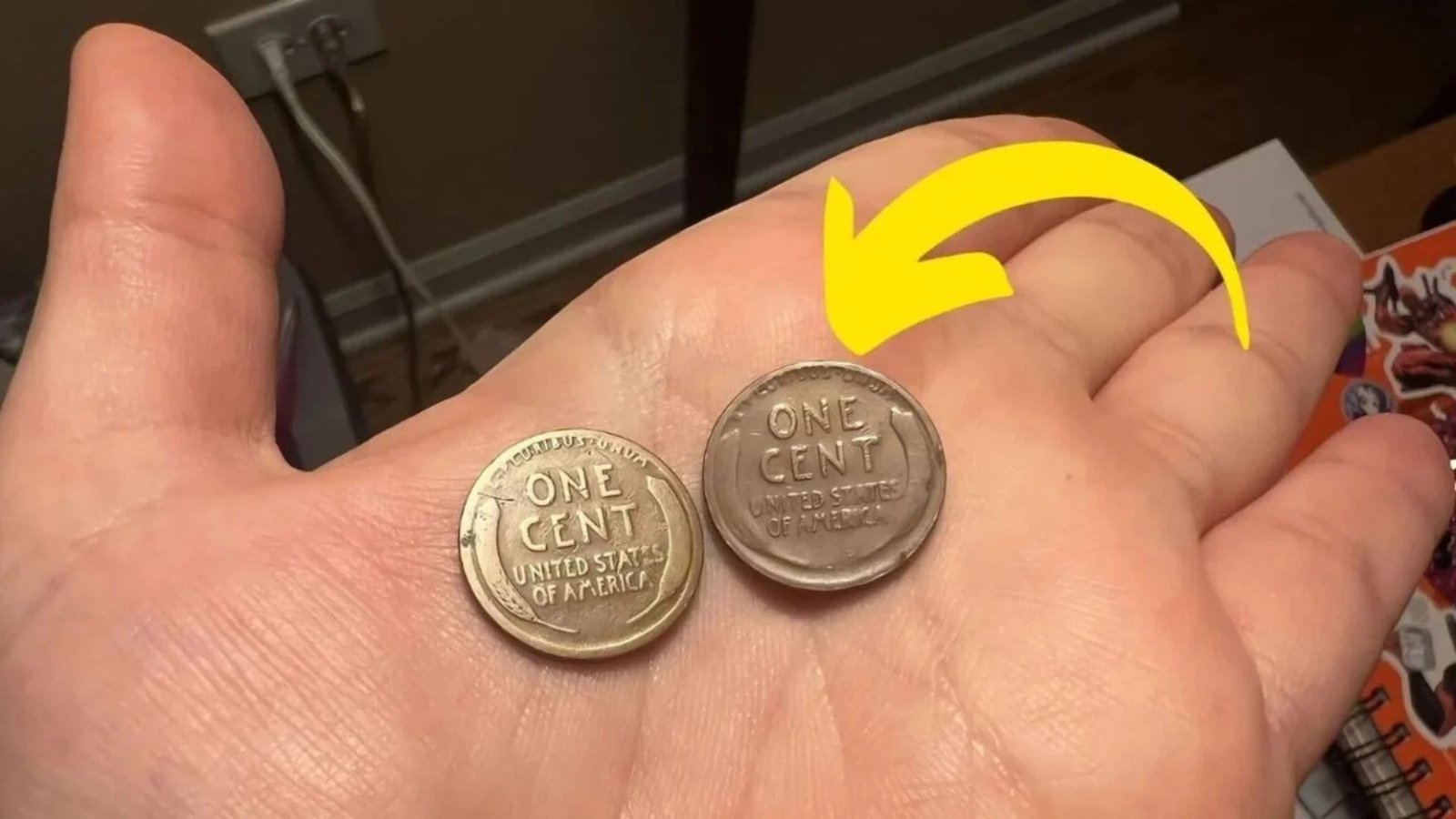
Have you ever checked your pocket change for hidden treasures? Most of us toss pennies into jars without a second thought, but what if one of those coins could be worth $5.5 million? The Lincoln Wheat Penny, a small piece of American history, has sparked a modern-day treasure hunt. Let’s explore why this penny is so valuable and whether it might still be hiding in your change.
What Makes the Lincoln Wheat Penny So Special?
A Coin with Historical Roots
Introduced in 1909 to celebrate Abraham Lincoln’s 100th birthday, the Lincoln Wheat Penny was the first U.S. coin to feature a president’s portrait. Designed by Victor David Brenner, it showcases Lincoln’s profile on the front and two wheat stalks on the back, symbolizing prosperity. Minted until 1958, these coins were once common but now captivate collectors due to their rarity and historical significance.
The Legendary 1943 Copper Penny
The $5.5 million Lincoln Wheat Penny is no ordinary coin. Its value stems from a rare minting error during World War II. In 1943, the U.S. Mint switched to zinc-coated steel pennies to save copper for the war effort. However, a few bronze blanks from 1942 were accidentally struck with the 1943 design, creating the ultra-rare 1943 copper penny. Experts estimate fewer than 20 of these exist, making them a numismatic holy grail.
Why Is It Worth $5.5 Million?
Rarity and Historical Value
With only a handful known to exist, the 1943 copper penny’s scarcity drives its value. One sold for $1.7 million in 2010, and experts now estimate a pristine example could fetch up to $5.5 million due to growing collector demand and inflation in the rare coin market. Its wartime backstory adds to its allure, connecting it to a pivotal moment in American history.
Real-Life Discoveries
In 2019, a Massachusetts teenager found a 1943 copper penny in his pocket change, later authenticated and valued at over $200,000. Stories like this fuel the excitement, proving these coins can still surface in everyday transactions.
How to Spot a $5.5 Million Penny
Key Characteristics to Look For
Want to join the treasure hunt? Here’s what to check:
- Date and Mint Mark: Look for a 1943 penny with a “D” (Denver) or “S” (San Francisco) mint mark. Philadelphia coins (no mint mark) are also valuable.
- Material Test: Use a magnet. Steel pennies stick; copper ones don’t. A genuine 1943 copper penny weighs about 3.11 grams, heavier than the 2.7-gram steel version.
- Condition: Coins in mint condition fetch the highest prices. Avoid cleaning them, as it can reduce value.
Authentication Is Key
Counterfeits are common, so don’t get too excited without verification. Take suspected finds to reputable grading services like PCGS or NGC for authentication. They use advanced techniques to confirm a coin’s metal composition and authenticity.
Could It Still Be Out There?
The Thrill of the Hunt
Yes, it’s possible! While many 1943 copper pennies are in private collections, experts believe a few remain undiscovered in circulation, coin jars, or old collections. The idea of finding a life-changing coin in your change keeps collectors and casual enthusiasts checking every penny.
Tips for Finding Rare Coins
- Check Your Change: Examine old pennies, especially from 1943.
- Search Coin Rolls: Buy rolls from banks and hunt for rarities.
- Visit Coin Shows: Connect with dealers and experts for guidance.
- Join Collector Communities: Online forums offer tips and support.
Why the Lincoln Wheat Penny Captivates Us
The Lincoln Wheat Penny is more than a coin—it’s a piece of history. Its potential $5.5 million value sparks dreams of striking it rich, but its true magic lies in the stories it tells. From wartime sacrifices to accidental treasures, this penny reminds us that value can hide in the smallest places. So, next time you find a penny, take a closer look—you might just hold a fortune in your hand.